
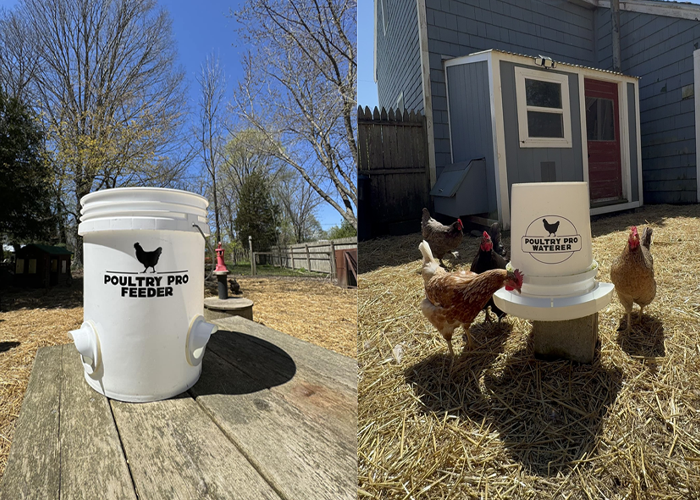
A clean coop starts with the right supply line. Choosing the best feeder and waterer combination is essential for maintaining bird health and reducing feed costs. This article explores how to balance affordability with professional-grade performance to create a high-yield environment for your birds.
Table of Contents
- What defines a high performance coop system?
- How do you maintain water sterility in a dusty coop?
- Why is the vacuum seal better than a traditional tray?
- Is an inexpensive chicken feeder actually worth the cost?
- Can you automate your chores with simple physics?
- The New Era of Smart Poultry Care
- Frequently Asked Questions
What defines a high performance coop system?
Efficiency is the key to a successful backyard farm. When you search for the best chicken feeder and waterer, you are looking for equipment that reduces your labor and protects your birds. A high performance system ensures that feed remains dry and water remains sterile regardless of the weather. By focusing on the fundamentals of clean delivery, you reduce the risk of respiratory illness and digestive issues in your flock. This leads to more consistent egg production and a much lower stress level for the keeper.How do you maintain water sterility in a dusty coop?
Coops are inherently dusty environments filled with feathers and dander. If you use an open pan or trough, the water becomes contaminated within minutes. This creates a breeding ground for algae and bacteria. A vacuum sealed waterer isolates the reservoir from the environment, ensuring that the water stays cool and fresh. At Riverbend Resources, we believe that your birds deserve the same quality of water that you drink. By blocking UV rays and sealing out debris, you remove the need for daily scrubbing.Why is the vacuum seal better than a traditional tray?
Physics provides a more reliable solution than mechanical float valves. A vacuum sealed system keeps the water level consistent in the drinking tray without the need for moving parts that can jam or leak. This is a set and forget solution that gives you peace of mind. You can find out more about these systems in our detailed shop section for Waterers. Providing a steady supply of clean hydration is the single most important factor in maintaining a healthy laying cycle for your hens.Is an inexpensive chicken feeder actually worth the cost?
Many beginners make the mistake of buying the cheapest equipment available at local hardware stores. However, an inexpensive chicken feeder that allows for massive waste is actually very costly in the long run. Real affordability is found in the return on investment. If a feeder stops twenty percent of your grain from being wasted, it pays for itself within a few months. We focus on providing high value DIY kits that allow you to build a premium system without the premium price tag.Can you automate your chores with simple physics?
Automation doesn’t have to be complicated or electric. By using gravity and vacuum pressure, you can ensure your birds are fed and watered for days at a time. This gives you the freedom to step away from the coop without worrying about your birds.- Gravity Refill: Ensures a constant supply of feed without manual intervention.
- Vacuum Pressure: Keeps water levels stable and sterile in the drinking tray.
- Opaque Barriers: Blocks sunlight to stop algae growth before it starts.
- High Impact Plastic: Built to handle the pecking and scratching of aggressive birds.
- American Made Quality: Supports local manufacturing and veteran led businesses.
The New Era of Smart Poultry Care
The future of homesteading is about working smarter, not harder. By investing in hardware that respects your resources and your time, you are building a more sustainable life. We are proud to provide the engineering needed to make that happen. When your equipment is rugged and efficient, your birds will thrive and your workload will vanish.Frequently Asked Questions
1. How often do I need to clean a vacuum waterer?
Because the system blocks sunlight and dust, you typically only need to flush the tray once a week with a garden hose.
2. Can I use these feeders for scratch grain?
Yes, our ports handle crumbles, pellets, and scratch grain with ease.
3. Will the feeder work in sub zero weather?
Yes, our UV stabilized polymers are designed to stay flexible and strong even in extreme cold.
4. How many birds will a five gallon feeder support?
A five gallon bucket with three ports can comfortably feed twelve to fifteen chickens for several days.
5. Do I need special tools for the DIY kits?
You only need a drill and a three inch hole saw, which is a standard size for most homesteaders.