
Table of Contents
- What makes a kit-based DIY build more reliable than starting from scratch?
- Which materials actually last through a full outdoor season?
- How do you put the kit together and get it running the same day?
- How does a DIY feeder fit into a complete DIY poultry setup?
What makes a kit-based DIY build more reliable than starting from scratch?
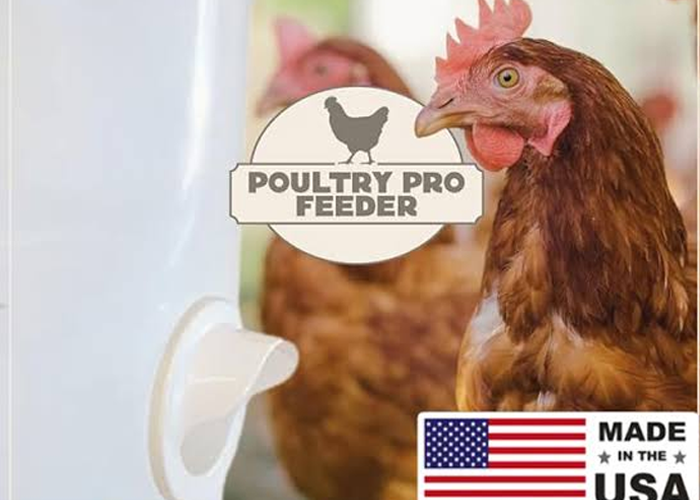
Starting from scratch is satisfying when everything works on the first attempt. The reality for most first-time builds is at least one version that does not quite work before arriving at one that does. Our approach with the poultry feeder DIY kit removes that iteration by providing components already sized, tested, and matched to each other.The ports are engineered for a specific flow rate. The hole saw bit is matched to the port diameter. The installation process specifies port height based on what we know works across different flock sizes and container types. You still do the building. We have just already done the design work so your first version is the one that runs correctly.Which materials actually last through a full outdoor season?
The short answer is smooth-walled, food-grade HDPE plastic. This is the material used in standard five-gallon hardware buckets, and it handles outdoor sun, rain, and temperature changes reliably across multiple seasons without becoming brittle or cracking around port fittings.Our port fittings are made from food-grade materials matched specifically to the wall thickness of standard HDPE containers, which is what creates a clean, lasting seat around each opening. The lid that seals the reservoir is equally weatherproof, keeping feed dry inside the bucket regardless of what summer weather throws at the coop overnight.How do you put the kit together and get it running the same day?
Installation moves quickly when the components are designed to fit each other from the start. Here is the sequence we recommend for a clean first build:- Mark three port positions evenly around the lower section of the bucket before drilling anything
- Use the included hole saw bit with a standard variable-speed drill at a steady, moderate pace
- Press each port fitting firmly into its opening with even pressure around the full circumference
- Fill the bucket with feed, seat the lid, and flip the system into feeding position
- Run a quick visual check that each port sits level and feed is flowing at a controlled rate
How does a DIY feeder fit into a complete DIY poultry setup?
The same afternoon session is the right time to tackle the water side of the coop, and the same bucket format applies directly. Pairing our feeder kit with quality DIY poultry equipment on the watering side means both systems run on the same container standard, the same maintenance schedule, and the same replacement parts available at any hardware store.Our Poultry Pro Waterer snaps onto a standard five-gallon bucket and connects to a garden hose for hands-free filling, which pairs naturally with the feeder you just built. Together they turn a single productive afternoon into a complete coop infrastructure upgrade that asks very little of you through the rest of the season.Browse the Poultry Pro Feeder kit to confirm what is included and check compatibility with the containers you already have on hand.The Riverbend Resources homepage shows how our feeder and waterer work together as a complete paired system for any size backyard flock.Have a question about container sourcing, port placement, or how to match the kit to your flock size? Our team is here to help and responds quickly to any direct inquiry.Our durable waterers guide covers the water side of the same afternoon build in helpful detail if you are planning both installs together.Why Riverbend Resources Makes the DIY Build Worth Doing Right the First Time
We built our feeder kit because we believe the DIY keeper deserves components designed for their coop, not repurposed from an unrelated application. Every fitting, every included bit, and every installation step in our kit reflects real feedback from real backyard builders. If you want a feeder that works correctly from the first fill, this is where to start.Frequently Asked Questions
1. Does the Poultry Pro Feeder kit include everything needed for a complete installation?
Yes. The kit includes three port fittings and a matched hole saw bit. A standard household drill and a five-gallon HDPE bucket are the only additional items needed to complete the build.
2. Can I use the same kit to add ports to a feeder bucket already in service?
Yes. The ports and hole saw bit can be used on any clean, standard five-gallon HDPE bucket at any time, whether it is new or already part of your existing coop setup.
3. How do I know if my bucket wall is the right thickness for the port fittings?
Standard five-gallon HDPE buckets from major hardware retailers are consistently compatible with our fittings. Thin-walled or textured containers are worth avoiding as they affect port seating.
4. What happens if a port fitting loosens after a few weeks of use?
A properly seated fitting stays in place through normal use. If any loosening occurs, pressing the fitting back in with firm, even circumferential pressure around the full edge restores the seat cleanly.
5. Can the kit be used to build more than one feeder from a single purchase?
Each kit is designed for one five-gallon feeder installation. For multiple feeders, we recommend ordering one kit per bucket so every build has its own matched hole saw bit and full set of ports.