
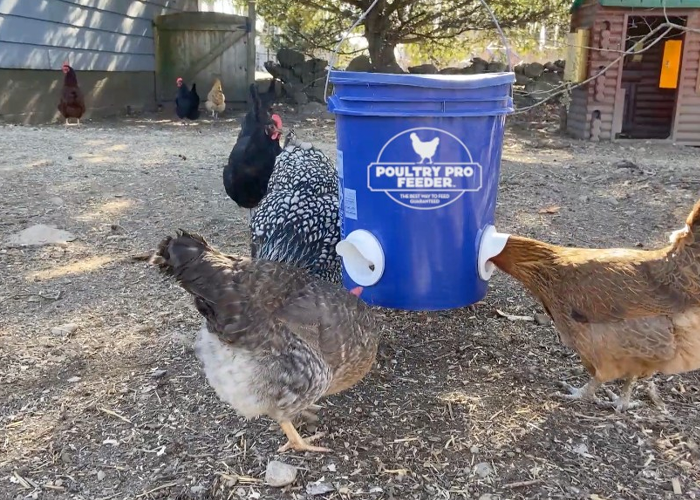
Feeding a flock does not have to be a messy or expensive ordeal. By utilizing professional-grade ports, you can convert any standard container into a high-performance feeding station. This guide explores the mechanics of waste prevention and how to build a system that outsmarts even the messiest birds.
Table of Contents
- Why are traditional feeders failing your flock?
- How do port systems stop the scratch and sweep habit?
- Is it possible to build a custom reservoir on a budget?
- What makes veteran engineering different from store brands?
- Can you really save money by switching to ports?
- The Final Blueprint for Coop Success
- Frequently Asked Questions
Why are traditional feeders failing your flock?
Most poultry keepers start with a standard gravity trough or a hanging plastic tube. While these are common, they often lead to massive feed waste because they do not account for the natural behavior of a chicken. If you are tired of seeing expensive grain scattered around their coop, you need to understand that the problem is not your birds, but the hardware. Installing Poultry Pro Feeder Ports is the most effective way to change the geometry of the meal. It forces the bird to reach into a restricted space, which eliminates their ability to flick their heads side to side.
How do port systems stop the scratch and sweep habit?
The engineering behind a port system is grounded in behavioral science. When a hen has an open tray of food, her instinct is to search for the best bits by billing out the grain. A deep tunnel port prevents this entirely. The bird enters the tunnel and finds the feed at the bottom, but because the walls are narrow, she cannot sweep her beak. This keeps the grain inside the bucket where it belongs. At Riverbend Resources, we focus on these small but critical details to ensure your homestead runs as efficiently as possible.
Is it possible to build a custom reservoir on a budget?
One of the greatest benefits of this technology is its modularity. You are not limited to a specific size or shape of feeder. By using a DIY Poultry Pro Feeder kit, you can choose a reservoir that matches your specific flock size. Whether you are using a five gallon pail for a small backyard run or a fifty five gallon drum for a larger operation, the installation process remains simple and straightforward. You simply need a three inch hole saw and a flat surfaced container to create a professional grade station in under fifteen minutes.
What makes veteran engineering different from store brands?
We believe that farm equipment should be as tough as the people who use it. Our founder brings his military background to every design choice, focusing on durability and reliability above all else. Most big box store feeders are made of thin plastic that turns brittle in the winter or warps in the summer heat. Our ports are made from high impact, UV stabilized polymers that can withstand sub zero temperatures and direct sunlight for years. We understand that in a working coop, gear is a tool that must perform every single day without fail.
Can you really save money by switching to ports?
Data from agricultural studies suggests that feed is the single largest expense for any poultry keeper. When you reduce waste from twenty percent to near zero, the equipment pays for itself in a matter of months. A clean coop floor also means fewer rodents and wild birds, which protects your flock from diseases and mites. By securing your supply line, you are investing in the long term health and profitability of your farm.
- Waste Reduction: Stops the billing out behavior that ruins your feed budget.
- Pest Deterrence: Keeps grain inside a sealed container where mice cannot reach.
- Weatherproof Design: Hooded entries prevent rain from turning feed into moldy clumps.
- BPA Free Safety: Ensures no harmful chemicals leach into your birds food supply.
- Labor Savings: Large reservoirs mean you spend less time refilling and more time enjoying your flock.
If you are ready to stop the waste and reclaim your routine, we invite you to Contact Us to learn more about our high performance kits. You can also read more about improving your coop in our previous guide on No Waste Chicken Feeder.
The Final Blueprint for Coop Success
Building a resilient homestead is about making smart choices that reduce your daily workload and protect your resources. By moving away from disposable equipment and embracing rugged, veteran engineered solutions, you are setting your flock up for a healthy and productive life. We are proud to support American keepers with hardware that stands the test of time.
Frequently Asked Questions
How many ports do I need for ten chickens?
We recommend one port for every four to six birds. For a flock of ten, two or three ports will prevent crowding.
Will this work for ducks too?
Yes, though ducks tend to be messier with water, they can use the ports for dry feed without any issues.
Is it hard to train the birds to use the ports?
Not at all. Most chickens figure it out in minutes. You can put a few grains of feed on the lip of the port to help them find it.
What kind of bucket works best?
Any flat sided container will work. Five gallon buckets are the most common choice for backyard keepers.
Does it keep the feed dry in the rain?
Yes, our ports feature an integrated rain hood that keeps the entry point sheltered from vertical rainfall.